
How to Make Rice Fluffy and Not Sticky? | Easy Guide – Yaseen Mills

Rice often turns out sticky or mushy because of excess starch, too much water, or improper cooking techniques. Many people assume this is unavoidable, but in most cases, it’s simply a matter of small mistakes made during preparation or cooking.
The good news is that learning how to make rice fluffy and not sticky doesn’t require special equipment or complicated steps. With a few simple, repeatable techniques—like proper rinsing, correct water ratios, and gentle cooking—you can consistently achieve fluffy rice with separate grains.
These methods work well for most common rice types, including long-grain white rice, basmati, and jasmine. Once you understand the basics, making perfect, fluffy rice becomes easy and reliable every time.
How to Make Rice Fluffy and Not Sticky?
Choose the Right Type of Rice
The type of rice you use plays a major role in texture. Long-grain rice has a lower starch content, which helps the grains stay separate after cooking. Medium-grain rice is slightly more tender, while short-grain rice releases more starch and tends to be sticky. If your goal is fluffy rice, long-grain varieties like basmati or jasmine are the best choice because they naturally cook up lighter and less clumpy.
Rinse the Rice Properly
Rinsing rice removes excess surface starch, which is one of the main causes of sticky rice. Without rinsing, the starch turns the cooking water cloudy and makes grains stick together.
To rinse properly, place the rice in a bowl, cover it with cold water, gently swirl it, and drain. Rinse the rice two to three times, stopping once the water looks mostly clear. This simple step greatly improves texture.
Use the Correct Water-to-Rice Ratio
Using too much water causes rice to absorb excess moisture, leading to mushy or sticky results. The right balance allows the rice to cook evenly without bursting.
As a general guide:
Long-grain white rice: 1 cup rice to 1½–2 cups water
Basmati or jasmine rice: 1 cup rice to 1½ cups water
Brown rice: 1 cup rice to about 2 cups water
Measuring accurately is key when learning how to make rice fluffy and not sticky.
Cook Rice at the Right Temperature
Begin by heating the rice and water until it gently boils, then lower the heat, cover the pot, and let it simmer. Cooking rice at a steady simmer prevents the grains from breaking apart.
Overboiling agitates the rice, releasing more starch and increasing stickiness. Low, controlled heat ensures evenly cooked, fluffy grains.
Let the Rice Rest After Cooking
Resting rice after cooking allows moisture to redistribute evenly throughout the grains. Skipping this step can trap steam, making the rice wet and sticky.
Once the water is absorbed, remove the pot from the heat and let it rest, covered, for about 5–10 minutes. This short wait makes a noticeable difference in texture.
Fluff Rice the Right Way
Use a fork to loosen the rice instead of a spoon. A fork gently separates the grains without crushing them, which helps release trapped steam.
Lightly lifting and loosening the rice allows excess moisture to escape and keeps the grains distinct. This final step is essential for achieving perfectly fluffy rice every time.
How Much Water Should You Use for Fluffy Rice?
Water Ratios by Rice Type
Using the right water ratio is essential when learning how to make rice fluffy and not sticky. Different rice types absorb water differently.
Long-grain white rice: 1 cup rice to 1½–2 cups water
Basmati and jasmine rice: 1 cup rice to 1½ cups water
Brown rice: 1 cup rice to 2 cups water
Too much water leads to soggy, sticky rice instead of light, fluffy rice.
Measuring Water Accurately
Measuring cups give the most reliable results, especially for beginners. The finger method can work, but it often varies depending on pot size and hand measurement.
Consistency matters because even small changes in water amount can affect texture. Using the same method each time helps you get fluffy rice with predictable results.
Can You Fix Sticky Rice After It’s Cooked?
Letting Rice Steam and Dry Out
If rice is only slightly sticky, letting it rest uncovered for a few minutes can help excess moisture evaporate and improve texture.
Spreading Rice on a Tray
Spreading rice in a thin layer on a tray allows steam to escape quickly. This method works well when rice is soft but not overcooked.
Using Heat to Remove Excess Moisture
Placing rice over low heat for a short time can dry it out, but it must be done carefully to avoid burning.
These methods work best for mildly sticky rice. If the rice is heavily overcooked, it’s difficult to fully restore fluffy rice, even when trying to fix it after cooking.
Why Does Rice Turn Sticky?
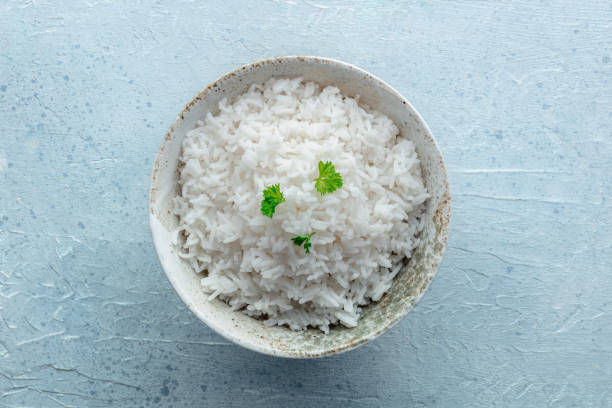
Rice turns sticky mainly because of excess surface starch that isn’t rinsed off before cooking. This starch thickens the water and causes grains to cling together.
Overcooking or using too much water also makes rice mushy by forcing grains to absorb more moisture than needed. Stirring rice while it cooks releases additional starch, increasing stickiness.
Using the wrong rice variety can also affect texture. Short-grain rice contains more starch, while long-grain options are better if you want fluffy rice and want to learn how to make rice fluffy and not sticky.
Should You Stir Rice While Cooking?
Stirring rice while it cooks releases starch from the grains, which makes the rice stick together and turn mushy. For fluffy rice, it’s best to leave the rice undisturbed once it starts simmering.
Stirring is only acceptable at the very beginning, right after adding rice to water, to prevent clumping. After that, avoid stirring if you want to master how to make rice fluffy and not sticky.
Best Tools for Making Fluffy Rice
Saucepan vs. Rice Cooker
A saucepan gives you more control over heat, which helps prevent overcooking. A rice cooker is convenient and consistent, making it a good option for beginners learning how to make rice fluffy and not sticky.
Lid Type and Why It Matters
A tight-fitting lid traps steam and ensures even cooking. Lifting the lid too often releases steam and can affect the final texture of fluffy rice.
Fork vs. Spoon for Fluffing
A fork is best for fluffing rice because it gently separates the grains. A spoon can press and mash the rice, making it stick together.
Frequently Asked Questions
Why is my rice sticky even after rinsing?
Rice can still turn sticky if too much water is used or if it’s overcooked. Proper heat control is just as important as rinsing.
Does soaking rice help make it fluffy?
Soaking can help certain types like basmati by allowing grains to cook more evenly, which supports fluffier results.
Is oil or butter needed for fluffy rice?
Oil or butter isn’t required. Fluffy rice mainly depends on correct water ratio, gentle cooking, and proper resting.
Can you make fluffy rice in a rice cooker?
Yes, rice cookers can produce fluffy rice if you measure water correctly and avoid opening the lid during cooking.
Why does my rice stick to the bottom of the pot?
This usually happens due to high heat or insufficient water. Using low heat and a heavy-bottom pot helps prevent sticking.
Conclusion
Making rice light and separate comes down to a few simple steps. Rinsing removes excess starch, the right water ratio prevents sogginess, gentle cooking protects the grains, and resting allows moisture to settle evenly.
Learning how to make rice fluffy and not sticky is about using the right technique, not luck or complicated tools. Small adjustments can make a big difference.
Try these methods with different rice types and adjust as needed. With practice, achieving perfectly fluffy rice will become easy and consistent every time.
Purchase pure basmati rice: https://www.yaseenmills.com
Get a quote: https://www.yaseenmills.com/get-a-quote
Contact us: muhammad.Riaz@yaseenmills.com


Comments